
Poetry has long been intertwined with Arabic culture, as both its heart and voice. The power lies in its versatility, a language of both fire and hope. Today, a new generation of Arab poets – spanning continents, languages, and media – is redefining how cultural inheritance is understood and expressed in the 21st century. These six remarkable poets are reshaping the modern Arab poetic landscape through experimental forms and emotionally resonant explorations of selfhood, memory, and reimagination:
The New Poetic Vanguard: 6 Arab Female Poets You Need to Know Now
Maryam Imogen Ghouth
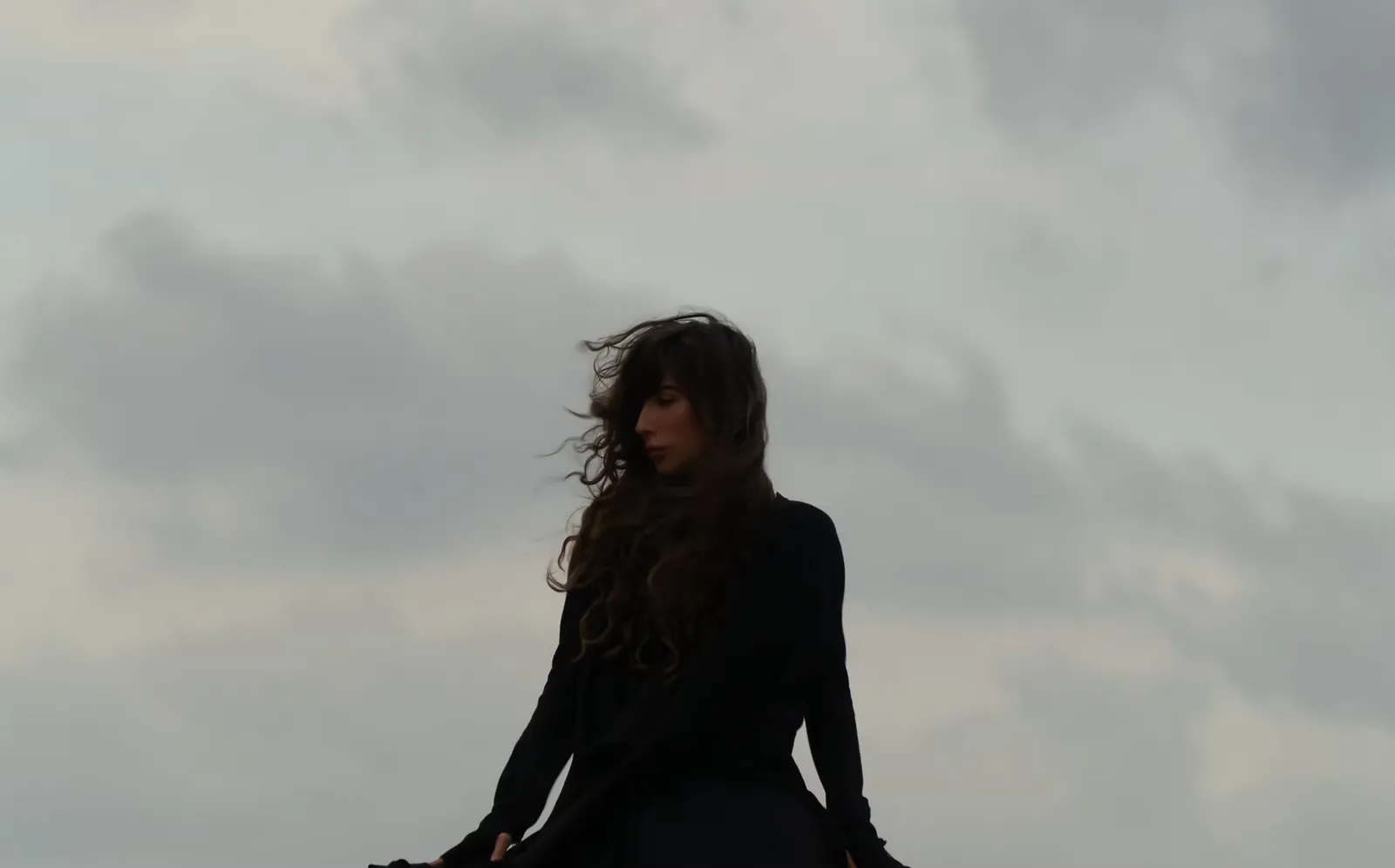
Photo: Maryam Imogen Ghouth
Maryam is a Saudi-British literary artist based in Dubai whose work is known for its deep sense of quiet and reflection. She explores themes of identity and belonging through a philosophical and existential lens, drawing inspiration from thinkers like Otto Rank, Carl Jung, Ernest Becker, and Iain McGilchrist. Her poetry often looks at the push and pull between individuality and connection, separation and unity. Her chapbook, I Ask My Being: Reflective Poems on Staying True, is a thoughtful collection of 15 poems.
Maryam’s poetry films have been shown at international festivals, with her latest, Not Alone, earning over 15 awards. Her spoken-word pieces have featured in award-winning short films, and her poems appear in several international literary journals.
Zeina Hashem Beck
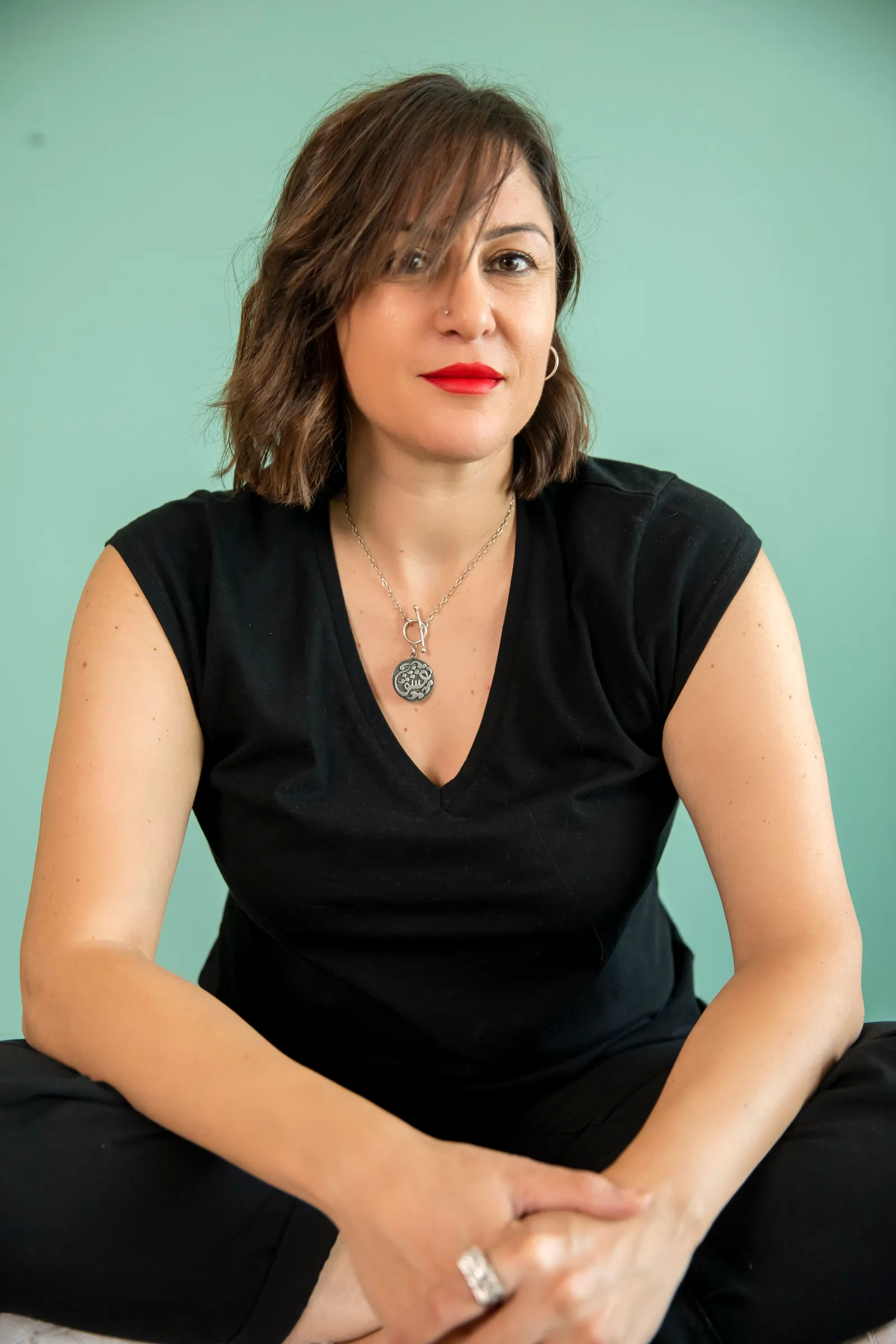
Photo: Zeina Hashem Beck
Lebanese poet Zeina Beck writes with a raw intimacy that feels both deeply personal and universally resonant. In her third collection, O, she weaves English and Arabic to explore motherhood, exile, and the emotional weight of memory. Her poems are anchored in Beirut, where the scent of her late uncle’s flower shop lingers as vividly as the moment she took him to his grave. Beck doesn’t flinch from pain; instead, she leans into it, unafraid to voice the tension between holding on and letting go. O becomes a tender act of remembering and reclaiming.
Afra Atiq
Afra Atiq has been a powerful and resonant voice in the UAE’s literary scene since she began performing publicly in 2015. A spoken word poet known for weaving multilingual, personal narratives that challenge stereotypes and explore cultural hybridity, Afra bridges heritage and modernity. Over the years, she’s earned multiple accolades, including the Abu Dhabi Music and Art Foundation’s Creativity Award.
Her debut poetry collection, Of Palm Trees and Skies, brings together 26 poems that reflect on identity, culture, and belonging. The collection blends traditional Arabic poetic forms with a fresh, contemporary voice.
Hala Alyan
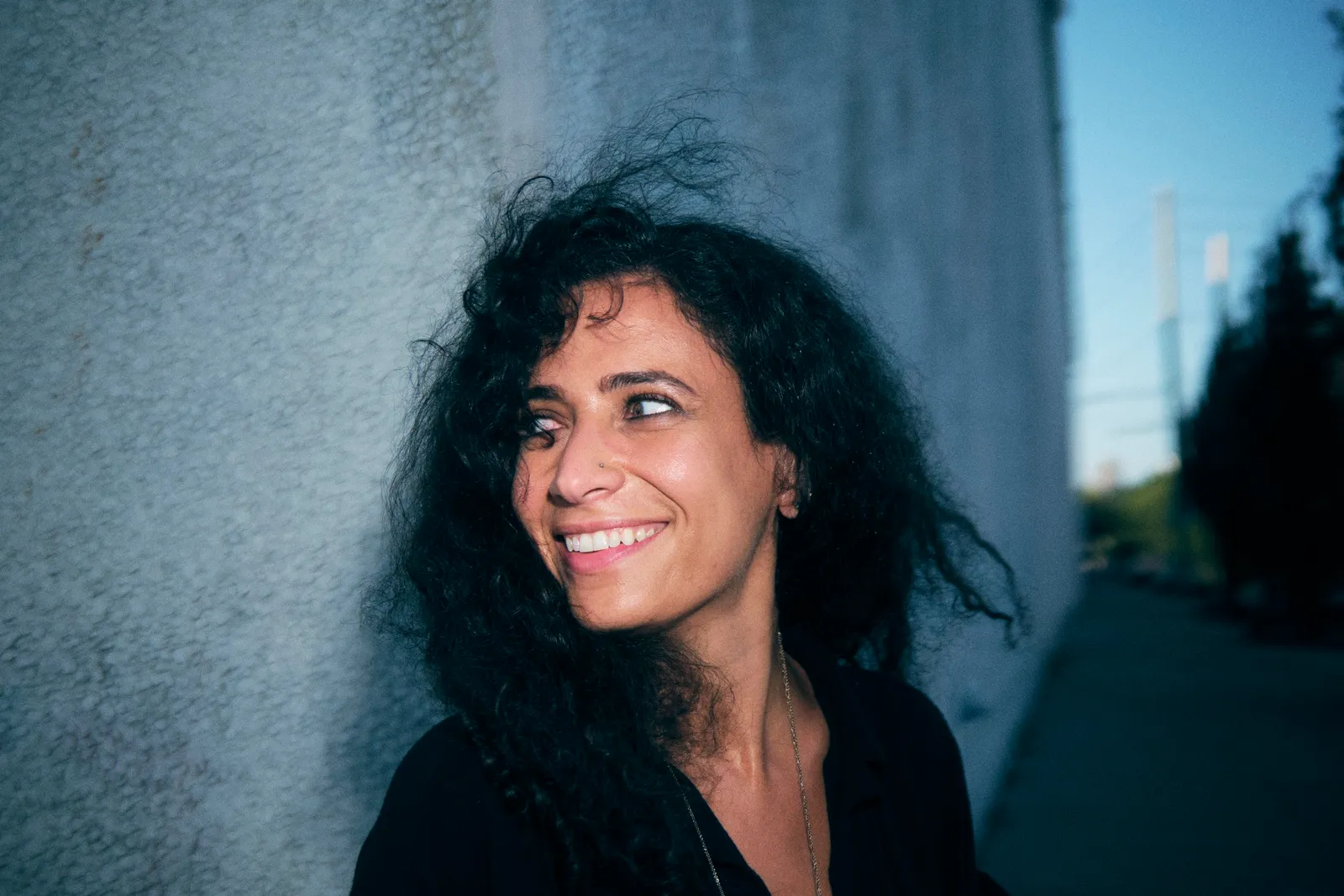
Photo: Hala Alyan
Palestinian-American writer, poet, and clinical psychologist, Hala Alyan’s writings cover aspects of identity and the effects of displacement, particularly within the Palestinian diaspora.
In her lyrical and deeply personal memoir, I’ll Tell You When I’m Home, she explores loss—both ancestral and immediate with tenderness and clarity. The book reflects on storytelling through mothers and daughters as a means of survival. The book’s most poignant reckoning: how does one hold on to a Palestinian identity while living far from the land? The book addresses longing for motherhood, for a return to the Levantine homeland that shaped her family history. Alyan’s writing doesn’t offer easy answers; it gives voice to the ache and beauty of diasporic existence.
Dana Dajani
Dana Dajani is a performer, activist, and storyteller who brings poetry to address themes of displacement, justice, and creative resistance. Palestinian by origin, raised in the UAE, Dajani uses poetry as a form of resistance, remembrance, and reclamation. She has taken the stage at iconic venues like the Sydney Opera House and the Guggenheim Museum in Bilbao. In the UAE, she developed a pioneering Drama Therapy Program for children with autism—an initiative that earned her recognition as Emirates Woman Artist of the Year and the Young Arab Award for Entertainment, among others.
Her performances are anything but conventional. She brings a visceral energy to the stage, crafting solo pieces that blur the lines between poetry and theatre. She shifts fluidly between characters, embodying stories that confront issues of identity, justice, and resilience.
Safia Elhillo
Sudanese-American poet Safia Elhillo produces work between English and Arabic. She speaks from the in-between of cultures, of countries, of selves—crafting poems that examine diasporic longing and linguistic identity. With her recent book, Girls That Never Die, she writes about the shame and violence that often comes with being a woman. Her poetry doesn’t ask for permission to feel deeply; it demands it.
Share:
WhatsApp
Facebook
LinkedIn
X
Threads
Email